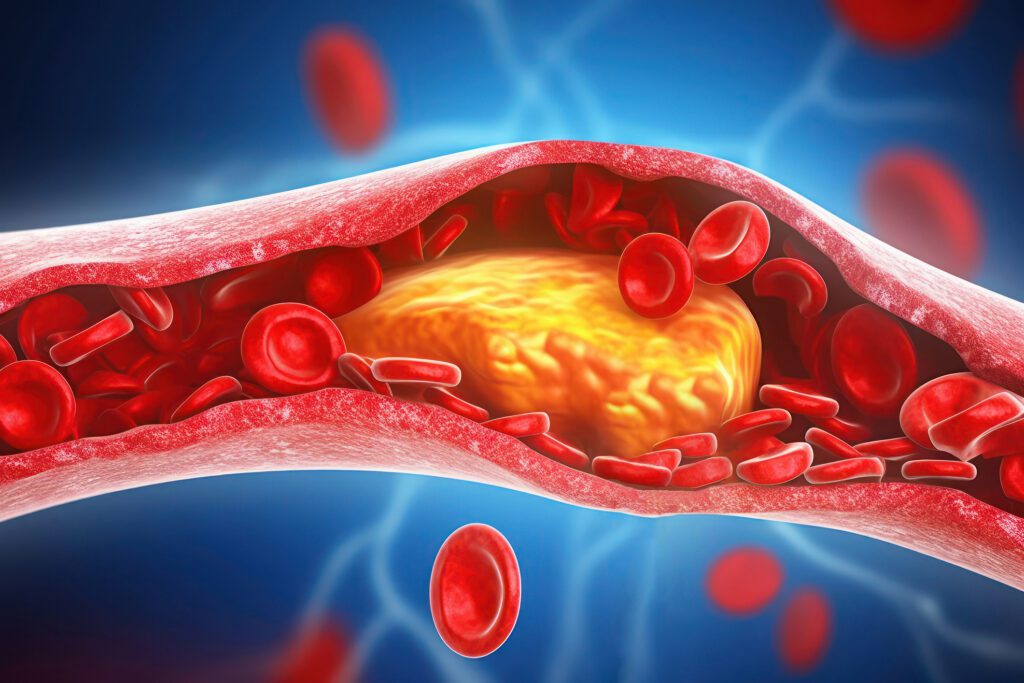


Chelation therapy (pronounced “key-lay-shun”) is an alternative approach sought by some people in Canada who are living with cardiovascular disease and using long-term treatments such as blood pressure and cholesterol medications, and in some cases who have also undergone procedures like angioplasty or coronary artery bypass surgery. While many patients are satisfied with standard care, others explore additional options, including chelation therapy.
The term chelate comes from the Greek word “chele”, meaning the claw of a crab or lobster—an analogy for the way chelating agents bind to specific substances. In practice, chelation therapy uses particular compounds—administered by mouth or by injection—to attach to unwanted materials in the body so they can be removed.
For many years, chelation was thought to improve circulation by pulling calcium from atherosclerotic plaque. That idea has not held up. Today, chelation is often discussed in terms of binding certain metals and other substances that may build up in tissues, which—according to this model—can contribute to vascular injury through processes such as oxidative stress and inflammation. By binding these targeted substances, chelation agents are intended to support their elimination.
Commonly used chelating agents include EDTA, DMPS, DMSA, peptide chelators, and other agents such as sodium alginate and certain plant- or nutrient-based options (e.g., cilantro, chlorella, glutathione, and high-dose vitamin C). The overall goal is to improve the health and function of blood vessels.
Research and clinical discussions also describe potential benefits related to improved blood vessel signaling, including increased production of nitric oxide, a compound that helps relax blood vessels and support healthier blood flow. These effects are generally considered relevant across a range of heart conditions.
Chelation therapy is typically offered 1–2 times per week, usually over a range of 10–30 treatments, though some individuals may need longer courses depending on their response. Session times will vary depending on the chelators required and can range from 20 minutes to 3 hours. Candidates are screened for conditions that could make treatment unsafe, and patients are monitored throughout.
Chelation therapy has been available since the 1940s, initially developed for lead poisoning, and it remains controversial. Supporters describe meaningful clinical improvement, while critics question its overall effectiveness. Importantly, chelation is not intended to replace necessary medical care: in some cases, medications and/or surgery are required regardless of whether chelation is added.
Those who pursue chelation often report improvements such as enhanced circulation, changes in arterial pulse quality, reduced chest pain, lower blood pressure, better walking tolerance, and improvements in cognition and coordination. Some patients also report reduced reliance on certain medications or—where applicable—delay or avoidance of further invasive interventions.
In the U.S., training is offered to physicians and staff through organizations including the American College for the Advancement of Medicine (ACAM) and the International Society of Chelation Technicians (ISCT), which provide courses, updates, and certification materials. In B.C., naturopathic physicians who practice chelation are described as needing to meet credentialing requirements through their licensing authority, including completion of mandatory ACAM/ISCT education and exams. Chelation therapy is generally not covered by provincial health insurance plans.
Dr. Jasarevic has been utilizing chelation therapy since 2009 and finds this a useful tool in the long-term prevention of chronic disease. Anyone interested in IV Chelation therapy is encouraged to book an initial visit for a comprehensive review of your medical history, current health concerns, lifestyle, environmental exposures, medications, and previous laboratory testing. If appropriate, a provoked heavy metal IV Chelation test may then be booked to evaluate for total heavy metal body burden which guides individual treatment recommendations.